Boat Warranty Guides
Can You Get a Warranty After Buying a Used Boat?
Published May 19, 2026 · Last reviewed May 31, 2026
Researching marine repair costs, ownership expenses, and protection plan options for boat owners.
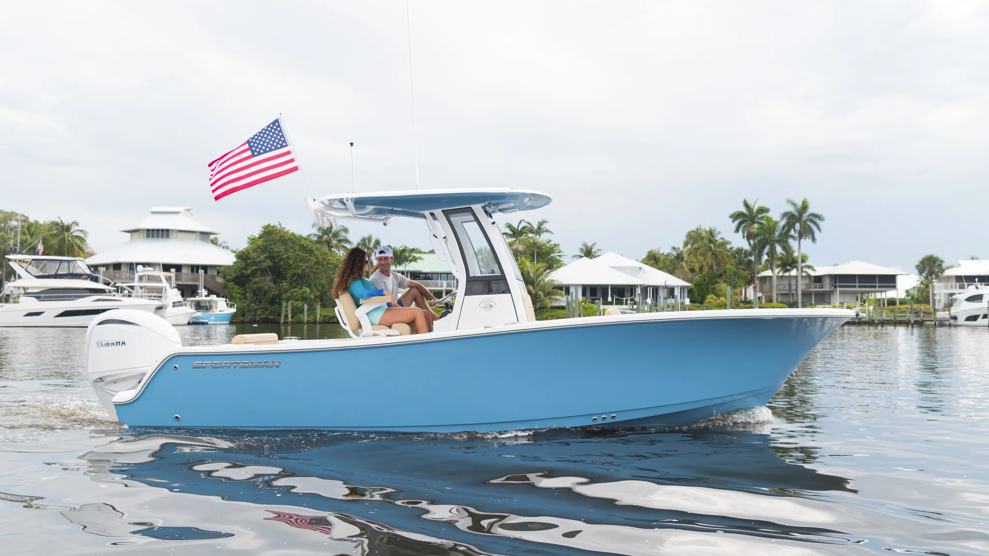
Many boat owners assume they missed their opportunity for protection the moment they signed the paperwork. In reality, some used boats may still qualify for marine protection plans after purchase depending on factors like age, engine hours, maintenance history, condition, and inspection results.
That is especially important today because repair costs on modern boats continue to rise. A single major repair involving outboards, generators, electronics, steering systems, or air conditioning can quickly turn into a five-figure expense.
For current boat owners, understanding when protection may still be available can help reduce long-term ownership risk and unexpected repair costs.
Why Many Boat Owners Think Coverage Is No Longer Available
Most people are introduced to protection options only during the purchase process at a dealership or finance office. Because of that, many owners assume coverage disappears once the transaction is complete.
However, that is not always the case.
Some marine protection providers may still offer options for:
- Used boats
- Outboard-powered boats
- Current owners
- Private-party purchases
- Older vessels
- Boats outside factory warranty periods
Eligibility often depends more on condition, service history, engine hours, and inspection results than simply the date of purchase.
When Protection May Still Be Available
Every boat and protection provider is different, but current owners may still have options when:
The Boat Has Been Properly Maintained
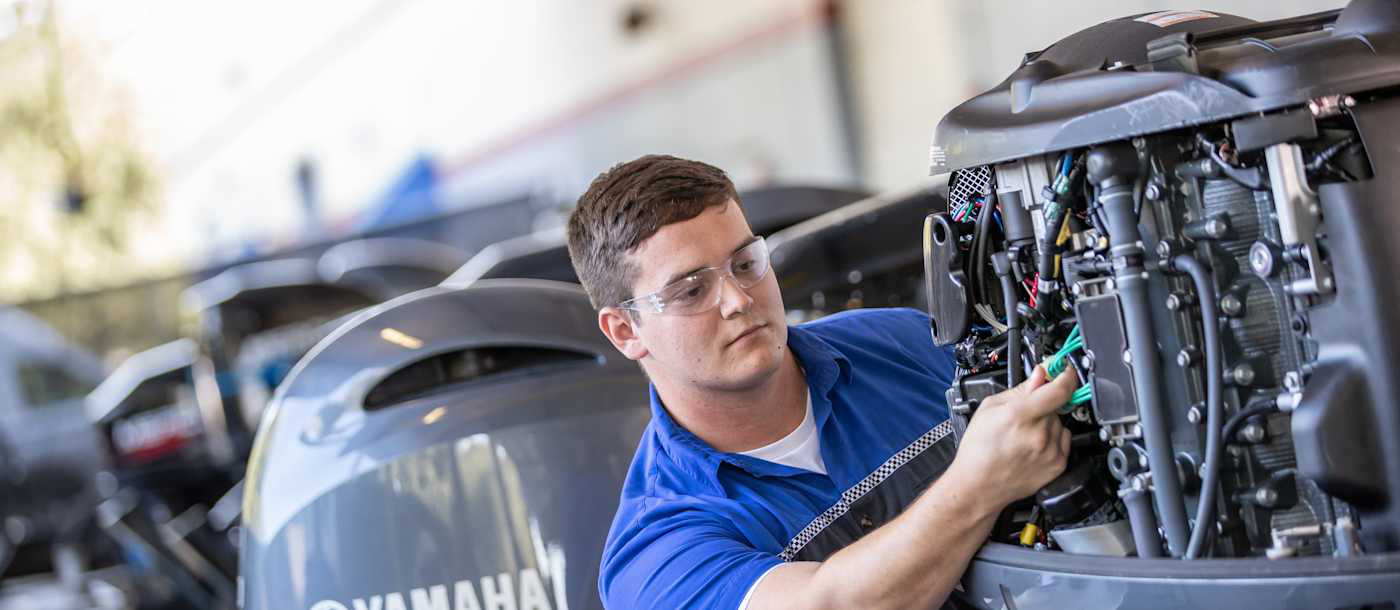
Service records and documented maintenance history can significantly improve eligibility.
Engine Hours Are Within Acceptable Ranges
Lower engine hours generally help, although some older boats with higher hours may still qualify depending on condition and usage.
The Boat Passes Inspection Requirements
Some providers may require:
- Mechanical inspections
- Compression tests
- Sea trials
- Service verification
The Boat Has No Known Pre-Existing Failures
Protection plans are designed for future unexpected breakdowns, not existing unresolved damage. Knowing how the marine claims process works in advance also helps owners avoid surprises if a covered failure occurs.
What Systems May Potentially Be Covered?
Coverage varies by provider and plan level, but marine protection options may include systems such as:
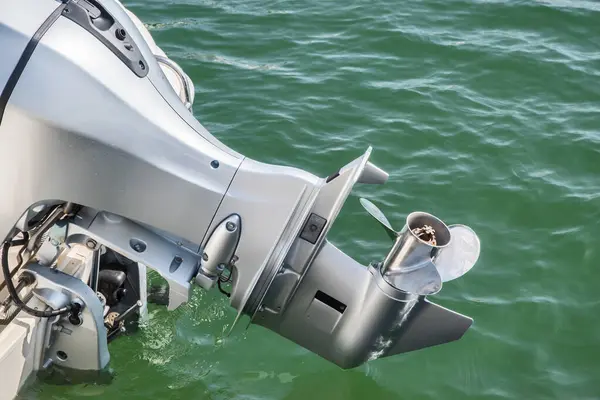
Outboard Engines
Modern outboards are expensive to repair or replace, especially high-horsepower models. See typical outboard and boat repair costs to understand what is at stake.
Generators
Marine generators often become one of the highest ownership repair costs after engines.
Electrical Systems
Wiring, power systems, and onboard electronics can become major expenses as boats age.
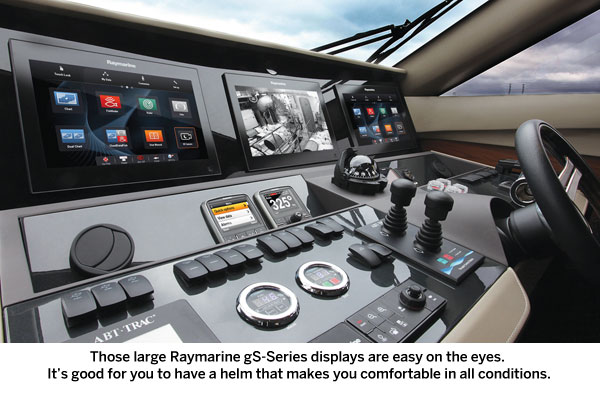
Steering and Hydraulic Systems
Hydraulic steering failures can create both operational and safety concerns.
Air Conditioning and HVAC
Marine air conditioning systems are exposed to heavy corrosion and saltwater environments.
Mechanical Components
Pumps, controls, and drivetrain-related systems may also qualify depending on plan structure.
What Usually Disqualifies Coverage?
Not every boat will qualify for protection options.
Common disqualifiers may include:
- Known mechanical failures
- Severe corrosion
- Neglected maintenance
- Excessive engine hours
- Commercial use
- Salvage history
- Unresolved damage
- Failed inspections
This is why realistic expectations matter when exploring protection after purchase.
Private-Party Boat Purchases
One of the biggest misconceptions in boating is that protection is only available for dealer-purchased boats.
Some current owners who purchased through:
- Facebook Marketplace
- Boat Trader
- Craigslist
- Private sellers
- Brokerage transactions
may still have protection options available depending on the boat''s condition and eligibility factors.
This becomes especially important because private-party purchases typically do not include the same protection discussions buyers receive at dealerships.
Why More Owners Explore Protection After Purchase
Boat ownership costs continue to rise across nearly every category:
- Outboard repairs
- Generator replacements
- Marine electronics
- Lower unit failures
- Labor rates
- Haul-out costs
- Air conditioning repairs
Many owners only begin exploring protection after realizing how expensive marine repairs can become.
Common examples include:
- Outboard powerhead replacements
- Lower unit failures
- Joystick system repairs
- Generator rebuilds
- Electronic display replacements
For many owners, one major repair can exceed the cost of years of protection coverage. An extended used boat warranty or focused outboard protection plan is designed exactly for this scenario.
Related Boat Ownership Resources
- Boat Repair Cost Guide
- Used Boat Warranty Options
- Outboard Protection
- Is a Boat Warranty Worth It? Cost Breakdown
- Boat Repair Statistics
- What Marine Protection Plans Cover
- How the Marine Claims Process Works
- Boat Warranty FAQ
Final Thoughts
Many boat owners assume protection opportunities disappear after purchase, but that is not always true. Depending on the boat''s age, condition, service history, and engine hours, some current owners may still qualify for protection options that help reduce long-term repair risk.
As repair costs continue to rise across engines, generators, electronics, and mechanical systems, more owners are exploring ways to better protect their investment after ownership begins.
Already Own a Used Boat?
Explore whether your boat may qualify for protection options.
Already Own a Used Boat?
Explore Whether Your Boat May Qualify
Get a free, no-obligation review of protection options for your pre-owned vessel.
🛡️ Power boats under 80 ft & 13 yrs old or newer may qualify.